Emergency pediatric dentistry in Santa Barbara and Goleta
We're here when your child has a dental emergency
Dental emergencies can be scary, especially when it's your child. Our board-certified pediatric dentists provide prompt, gentle care for toothaches, dental injuries, swelling, and other urgent concerns, with same-day appointments when possible.
What is a dental emergency?
Not sure it's a dental emergency? Call us.
A dental emergency is any situation involving your child’s teeth, gums, or mouth that needs prompt attention, such as a knocked-out tooth, severe tooth pain, swelling, a broken tooth, or an injury to the lips, tongue, or gums. In some cases, fast treatment can relieve pain, prevent infection, and even improve the chances of saving a tooth.
At Santa Barbara Children’s Dentistry, we offer same-day emergency appointments whenever possible and make every effort to see children quickly. Our goal is to get your child comfortable, evaluate the problem thoroughly, and recommend the most conservative and effective next step.
If you think your child may be having a dental emergency, call us right away. Our team can help you determine how urgent it is, what to do at home in the meantime, and whether your child should be seen as soon as possible.

The benefits of pediatric emergency dental care
Why the right emergency provider matters
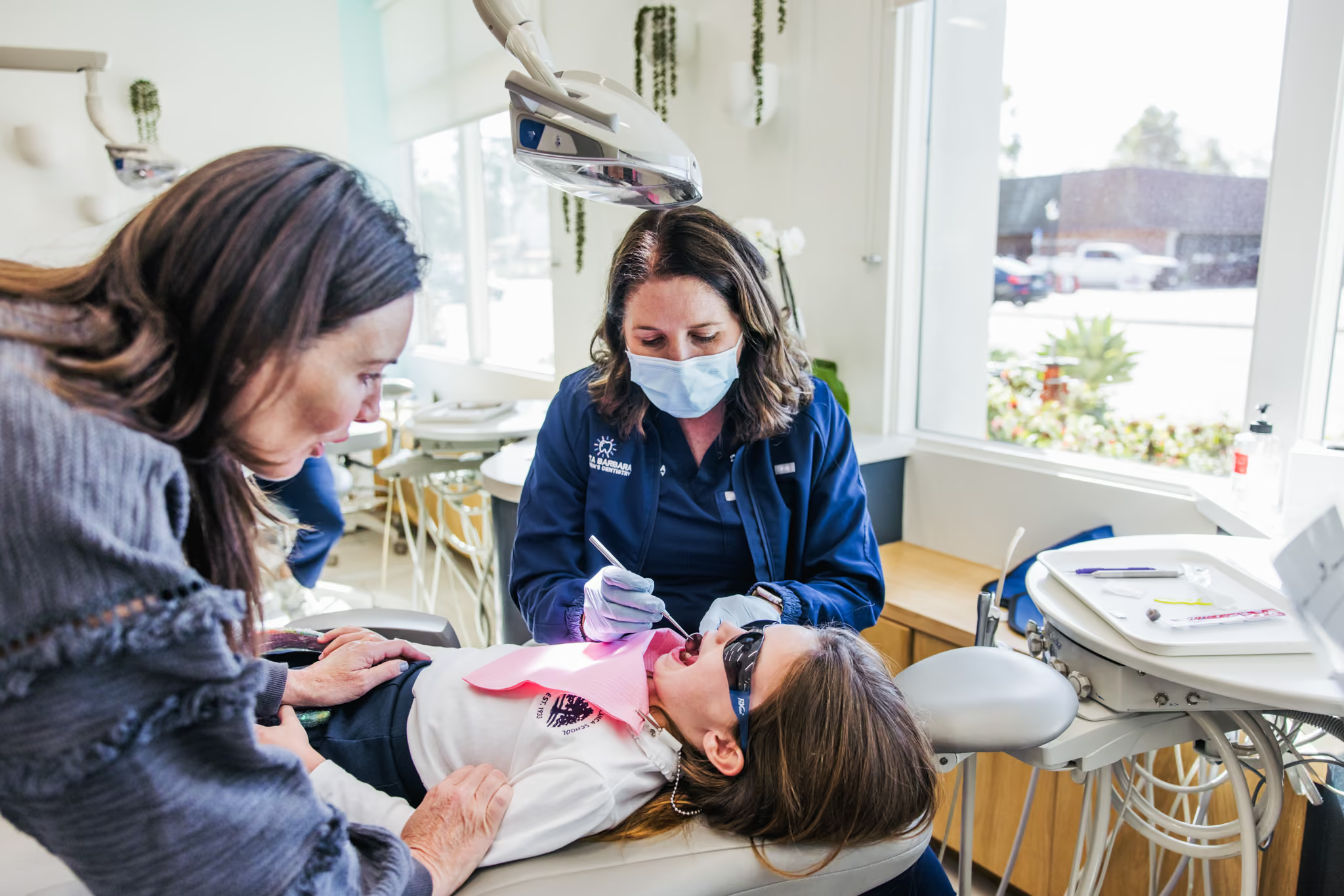
When your child is in pain, where you go matters. Children are not just small adults. They need an approach designed around their comfort, development, and emotional needs. Our board-certified pediatric dental team knows how to assess urgent problems in growing smiles, treat them appropriately, and help children stay calm during stressful moments.
Prompt care can prevent bigger problems
Some dental injuries and infections become more difficult to treat when care is delayed. Early evaluation can relieve pain, protect surrounding teeth, and help prevent complications.
Expertise in growing smiles
Children’s mouths are constantly changing, and emergency treatment decisions often depend on your child’s age and stage of development. From baby teeth to permanent teeth, our pediatric dentists know how to evaluate injuries and recommend the right next step for both the immediate issue and your child’s long-term oral health.
A calmer, more reassuring experience for your child
Dental emergencies can feel scary for both children and parents. Our team is experienced in helping kids feel safe, supported, and cared for, using a gentle approach, clear communication, and treatment techniques designed specifically for young patients.
Common dental emergencies
A knocked-out permanent tooth is one of the most time-sensitive dental emergencies. Pick the tooth up by the crown, not the root. If it is dirty, rinse it gently with water without scrubbing. If possible, place it back in the socket or keep it in milk and call us immediately. If it is a baby tooth, do not try to reinsert it—call us right away so we can guide you on next steps.
A severe toothache may be a sign of deep decay, infection, inflammation, or an abscess. If your child has significant pain, swelling, fever, or difficulty eating or sleeping, call us as soon as possible. We will evaluate the cause, relieve discomfort, and recommend the most appropriate treatment.
A chipped or broken tooth may or may not be painful, but it should be evaluated promptly. Depending on the extent of the damage, treatment may range from smoothing a rough edge to bonding or other restorative care. Rinse your child’s mouth with warm water, save any broken pieces if possible, and call us.
A dental abscess is an infection around a tooth or in the gums that needs prompt attention. Signs may include swelling, significant pain, a pimple-like bump on the gums, a bad taste in the mouth, or fever. Because dental infections can worsen quickly, it is important to call us right away.
Cuts or injuries to the lips, cheeks, tongue, or gums are common in children and can look alarming. Apply gentle pressure with a clean cloth to control bleeding and use a cold compress to reduce swelling. If bleeding does not stop, the cut is deep, or you are unsure how serious it is, call us right away.
If your child’s crown comes off or breaks, call us so we can evaluate the tooth and protect it from further damage. If you have the crown, bring it with you to the appointment. In the meantime, avoid sticky or hard foods on that side until we can see your child.
If something is lodged between your child’s teeth and brushing or flossing does not remove it, call us rather than using sharp or pointed tools at home. If your child has pain, swelling, or bleeding around the area, it should be evaluated promptly.
What to do in a dental emergency
Call us first, including after-hours and on the weekend
Tell us what happened and what symptoms your child is having. We’ll help you determine how urgent it is, tell you what to do before you arrive, and arrange a same-day visit whenever possible.
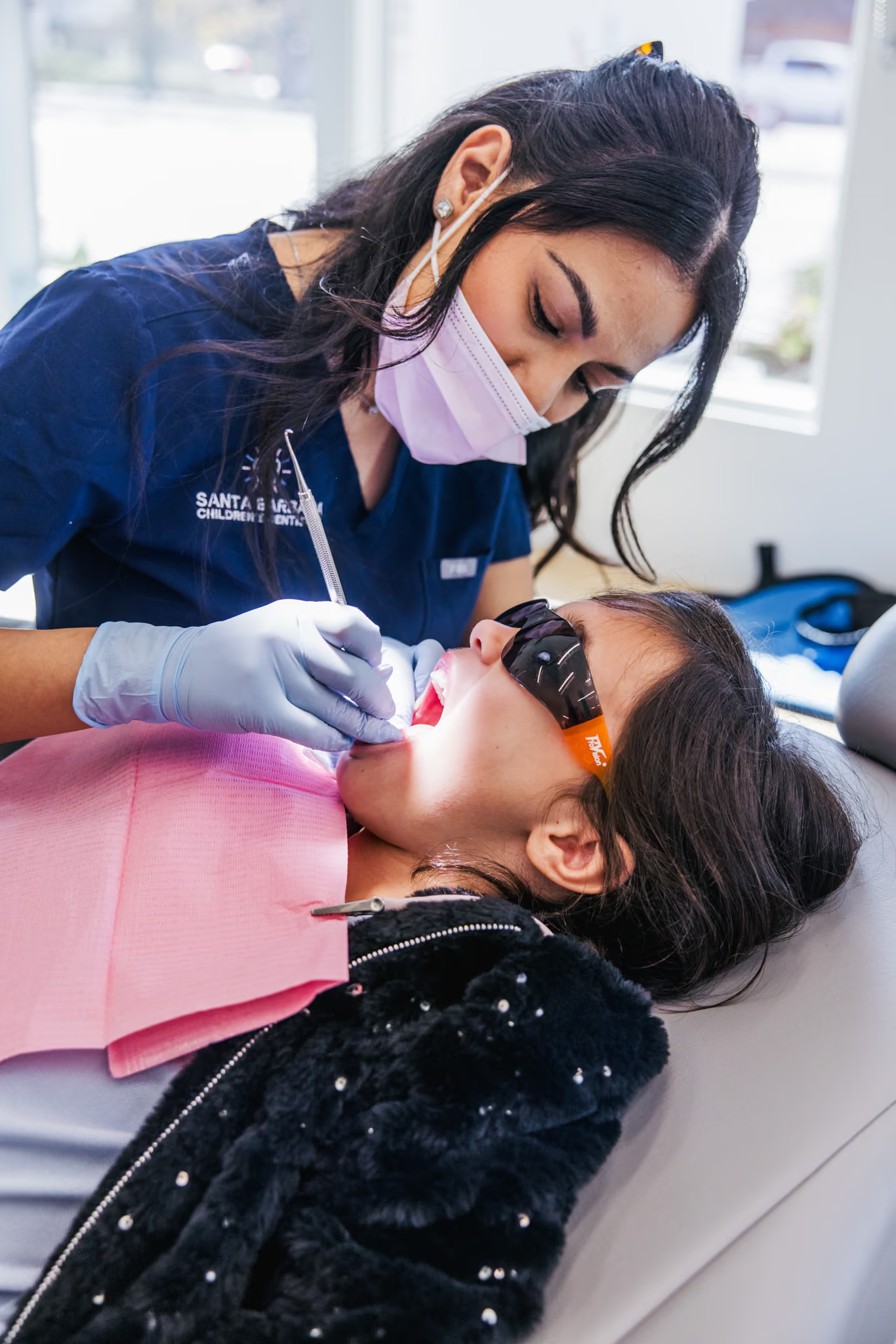
We’ll evaluate the problem
We’ll examine the injured or painful area and take digital X-rays when needed to understand what’s happening beneath the surface.
We’ll recommend the right treatment
Treatment depends on the cause and may include relieving pain, repairing or protecting a tooth, treating infection, or monitoring the area. We’ll explain your options before moving forward.
You’ll leave knowing what comes next
We’ll explain what to expect at home, what symptoms to watch for, and whether your child needs follow-up care.
Frequently Asked Questions
A dental emergency is any problem involving your child’s teeth, gums, or mouth that needs prompt attention to relieve pain, stop bleeding, treat infection, or protect a tooth. Common examples include a knocked-out or broken tooth, swelling, severe tooth pain, a dental abscess, or an injury to the lips, tongue, or gums. If you are unsure whether it is an emergency, call us! Our team can help you decide what to do next.
Stay calm and act quickly. Pick the tooth up by the crown, not the root. If it is dirty, rinse it gently with water without scrubbing. If possible, place it back in the socket. If not, keep it in milk and call us immediately. Time matters with a knocked-out permanent tooth. If it is a baby tooth, do not try to put it back in, and call us for guidance right away.
You should call if the pain is severe, persistent, wakes your child up, or is accompanied by swelling, fever, sensitivity to pressure, or difficulty eating. These symptoms may point to infection or a problem that should not wait. Even if you are not sure it is urgent, we would much rather help you assess it than have you wait and worry at home.
Yes. We make every effort to provide same-day emergency dental appointments for children whenever possible. If your child is in pain or you are concerned about an injury, call our office as soon as you can and our team will help you with the next step.
Stay calm and call us right away. If you can find any broken pieces of the tooth, save them and bring them to the appointment. Rinse your child's mouth gently with warm water and, if there is any swelling, apply a cold compress to the outside of the cheek. Whether or not your child is in pain, a chipped or broken tooth always warrants a prompt evaluation so we can assess the extent of the damage and determine the best course of action. Treatment can range from simple smoothing or bonding to a crown, depending on how much of the tooth is affected. The sooner we see your child, the more options we have.
Call us as soon as possible so we can assess the situation and advise you on next steps. Unlike a knocked-out permanent tooth, a baby tooth should not be reinserted into the socket, as doing so can interfere with the permanent tooth developing underneath. In the meantime, apply gentle pressure to the area with a clean cloth if there is bleeding, and use a cold compress to help with any swelling. Even if your child seems fine, we want to take a look to make sure there is no damage to the surrounding teeth, gum tissue, or the permanent tooth forming below. Give us a call and we will guide you from there.
Swelling in the face or gums is a sign that something needs attention right away. It can indicate an infection or abscess that, if left untreated, has the potential to spread beyond the mouth and become a more serious health concern. Call us immediately so we can get your child seen as quickly as possible. If the swelling is severe, spreading rapidly, affecting your child's ability to breathe or swallow, or accompanied by a high fever, please go to your nearest emergency room or call 911 rather than waiting for a dental appointment. Do not apply heat to swollen areas, and avoid giving your child anything other than age-appropriate pain relief while you make your way to us.
Don't just take our word for it.
See what families are saying